

You send “I’m good” to a friend, and they reply with “wby?” Now you’re staring at three letters like they’re a secret code. WBY means “what about you?” It’s a quick way to hand the conversation back to the other person. People use it in texts, DMs, and group chats to ask the same question in return. Once you see it, you’ll spot it everywhere.
What Does WBY Mean in Text?
WBY stands for “what about you?” You use it right after answering a question, so you can ask the same thing back without typing it out.
Say a friend asks, “How was your day?” You reply, “Pretty good, wby?” That tiny message does two jobs. It answers the question and keeps the chat moving.
It started in the early days of texting, when phones capped each message at 160 characters and every letter counted. Chat rooms and instant messengers kept the habit alive, and now it’s standard texting language.
WBY Meaning at a Glance
Here is the short version, so you can screenshot it and move on:
| Item | Detail |
|---|---|
| Full form | What about you? |
| Type | Texting abbreviation |
| Tone | Casual, friendly |
| Common spot | Right after you answer a question |
| Similar slang | WBU, HBU, and you? |
| Best for | Friends, family, social media chats |
The meaning stays the same on every app. Only the mood changes a little, depending on who sends it and where.
How WBY Is Used in Conversations
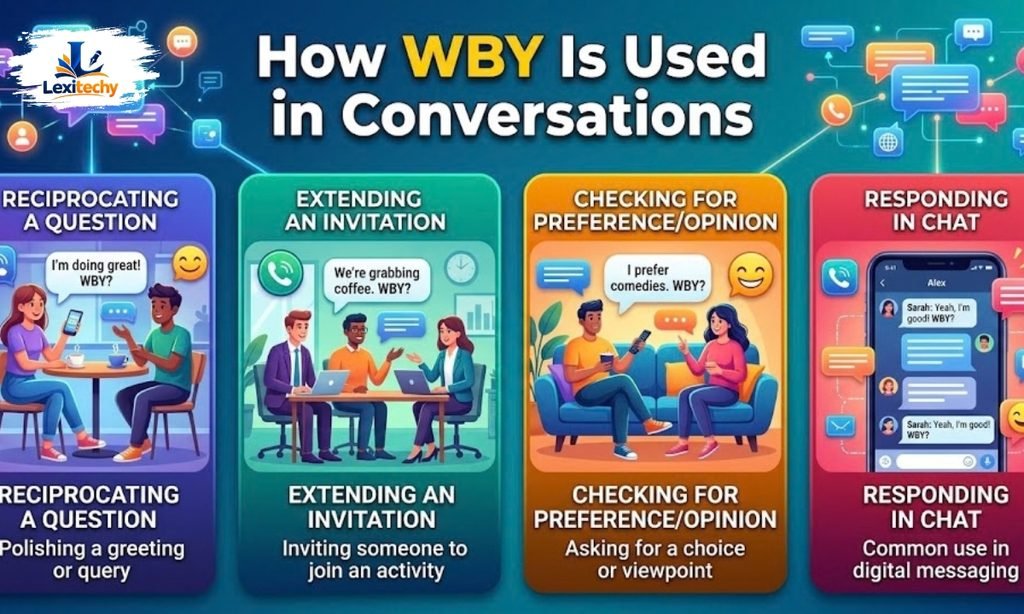
People use WBY as a conversation bridge. You answer first, then pass the question back, like tossing a ball in a game of catch.
Without it, a chat can feel like an interview. One person asks, the other answers, and then silence. WBY fixes that in three letters.
It also sounds friendlier than leaving the question unasked. Skipping it can make you look uninterested, even when you aren’t.
| More Helpful Articles |
| Practise or Practice: Which Spelling Is Correct? |
| 28 Other Ways to Say ‘It Was Nice Talking to You’ (With Examples) |
| Practise or Practice: Which Spelling Is Correct? |
WBY Reply in Chat
Replying to WBY is easy. You just answer the same question you asked, or the one you answered earlier.
Here are quick replies that work:
- “I’m good, just tired. You?”
- “Doing great, thanks for asking!”
- “Same as always, just relaxing.”
Notice the pattern. You answer honestly first, then add a little detail. A plain “fine” ends the chat faster than a bad WiFi signal.
Returning the Same Question
The most common use of WBY is returning someone’s question. Someone asks what you’re eating, you answer, and you send it back.
Example:
- Friend: “What are you eating?”
- You: “Biryani, wby?”
You don’t need to repeat the whole sentence. WBY carries the question for you, which saves time and keeps your thumbs happy.
WBY Meaning in Text Funny
WBY can be funny when people use it at the wrong moment. Picture someone writing “I just failed my driving test, wby?” That’s dark humor, and it works because the question feels so random.
Friends also use it as a joke reply. If someone says, “I’m hungry,” you can reply, “Same, wby?” and everyone laughs because you’re obviously hungry too.
Humor lives in the timing, so keep it light.
Keeping the Conversation Going
WBY works like a small engine for your chat. It stops the conversation from dying after one answer.
When you add it, the other person gets an easy opening to talk. They don’t have to think of a new topic. They just answer you.
If a chat is going quiet, try a short answer plus WBY. It’s the easiest way to restart things without sounding forced.
Showing Interest
Sending WBY tells the other person, “I care about your side too.” That small signal matters more than people think.
Compare these two texts:
- “I’m good.”
- “I’m good, wby?”
The second one feels warmer. You don’t need an essay to show interest. Three letters do the job.
Asking for Opinions
WBY can also ask for someone’s opinion. After sharing your thoughts, you ask what they think.
Example: “I think pizza beats burgers every time. Wby?”
Here, WBY means “what do you think?” The question depends on the topic you just discussed, so context does the work. This is also where friendly debates start, so be ready.
Starting New Topics Naturally
WBY can open a new topic without any awkward jump. You answer a question, then use WBY to steer the chat in a new direction.
Example:
- Friend: “Any plans tonight?”
- You: “Just a movie. Wby?”
Now they can talk about their own plans, and the chat flows into something new. No clumsy “so, anyway” required.
Real Examples of WBY in Text Messages
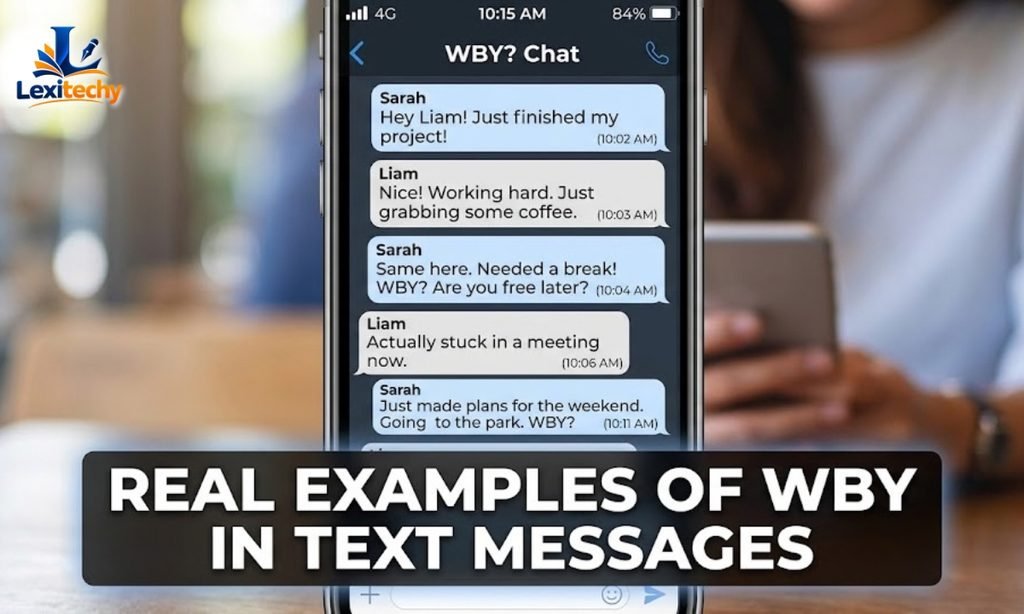
Theory is nice, but real chats show how WBY behaves. The next sections walk through everyday situations, from friends to family to gaming.
Notice one thing as you read. WBY always follows an answer. It rarely appears at the very start of a chat, and that’s the key to using it well.
Between Friends
Friends use WBY all the time because the tone is relaxed.
- Friend: “Long day at work.”
- You: “Same here, wby?”
No one overthinks it. Among friends, WBY sounds natural and warm.
WBY Meaning from a Girl
When a girl texts you “wby?”, it usually means she’s curious about your answer. It’s the same “what about you?” you’d get from anyone else.
Don’t read hidden messages into it. If she asks about your weekend, answer honestly. A friendly reply with a little detail keeps things comfortable.
Tone and emojis give extra clues. A smiley suggests warmth, while a flat “wby” can simply mean she’s busy.
Talking About Food
Food chats are full of WBY because everyone has an opinion.
- “I’m craving pasta. Wby?”
- “Tacos, always tacos.”
It’s an easy way to compare cravings and plan dinner together.
Weekend Plans
Weekend plans are a perfect match for WBY.
- “Staying home and sleeping. Wby?”
- “Going hiking if the weather holds.”
One short question can turn into an actual meetup, so use it wisely.
School Chat
Students use WBY a lot. It keeps homework talk and gossip moving.
- “Got a test tomorrow, wby?”
- “Nothing major, just reading.”
It’s fast, and teachers have no idea what’s happening. That’s part of the charm.
NM WBY Meaning in Chat
“NM” means “not much.” So “nm wby” means “not much, what about you?”
Example:
- Friend: “What’s up?”
- You: “Nm, wby?”
It’s the lazy, friendly answer for days when nothing interesting is happening, which is most days.
Family Conversation
Families use WBY too, especially with cousins and siblings.
- “Dinner was great. Wby?”
- “Just got home, tired.”
It stays casual, so you can use it with relatives your age. With elders, a full sentence usually feels more respectful.
Travel Plans
Travel chats get exciting with WBY.
- “I’m going to the mountains this summer. Wby?”
- “Thinking about the beach.”
It helps friends compare ideas and sometimes plan a trip together.
Gaming Chat
Gamers love short messages, so WBY fits perfectly.
- “Playing ranked tonight, wby?”
- “Just casual games.”
In fast chats, short wins. Nobody wants to type a paragraph while their teammate is losing.
Dating Conversation
In dating chats, WBY shows balance. You share something, then invite the other person to share too.
- “I love cooking on weekends. Wby?”
It keeps the chat even, instead of making it feel one sided. Just don’t use it as your only question all night. Mix in real curiosity.
Movie Discussion
Movie talk is full of strong opinions.
- “I loved that thriller. Wby?”
- “Not my favorite, too slow.”
WBY invites the other side, which is how good movie debates begin.
Fitness Goals
Fitness chats use WBY to swap goals and support each other.
- “Trying to run every morning. Wby?”
- “Mostly gym, three days a week.”
It’s friendly and motivating, like a tiny workout buddy.
Music Preferences
Music taste is personal, so WBY gets used a lot here.
- “I’ve been playing old classics lately. Wby?”
- “Mostly pop these days.”
This is a great way to discover new songs from friends.
Good WBY Meaning
“Good, wby?” means “I’m good, what about you?” It’s one of the most common replies to “how are you?”
Example:
- Friend: “How’s it going?”
- You: “Good, wby?”
It’s short, polite, and instantly clear. If you’re not actually good, you can swap the word for “tired” or “busy.”
Vacation Dreams
People dream out loud about vacations, and WBY keeps that fun.
- “I want to visit Turkey someday. Wby?”
- “Maybe Japan for the food.”
It turns a simple chat into shared travel daydreaming.
Reading Habits
Book lovers use WBY to trade recommendations.
- “I’m reading a mystery novel. Wby?”
- “A history book right now.”
You might leave with a new title for your list.
Weather Conversation
Weather is the safest small talk topic, and WBY helps it last longer.
- “It’s super hot here. Wby?”
- “Rainy and cold.”
It may sound basic, but it’s a great way to start with someone new.
WBY Meaning on Snapchat
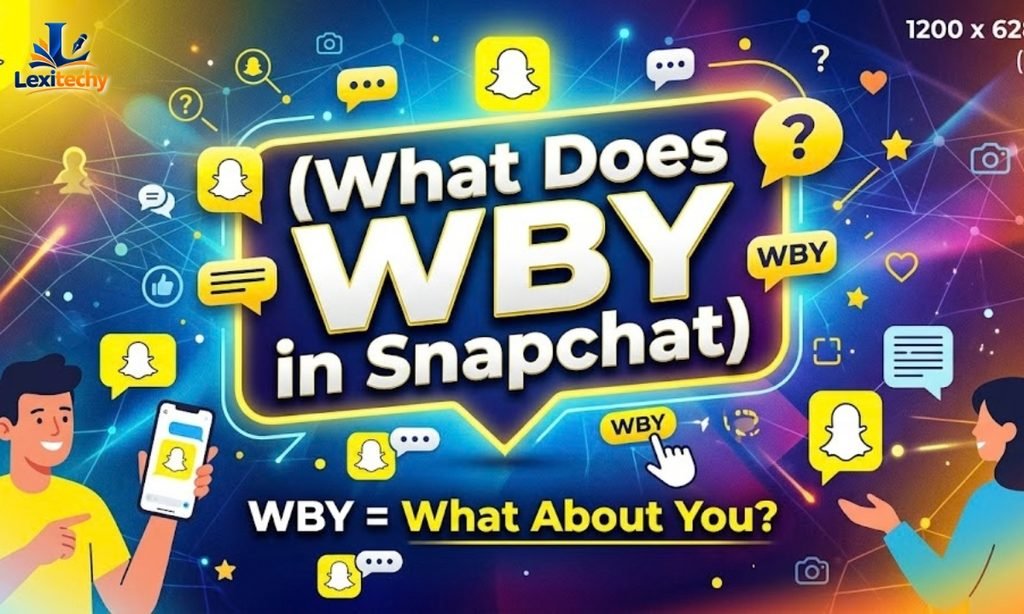
On Snapchat, WBY has the same meaning: “what about you?” The difference is speed. Snaps and quick chats move fast, so short slang is everywhere.
Example
- Snap: “Just finished class, wby?”
- Reply: “Heading to the gym.”
The chat feels light, and nobody expects long answers.
Best Replies on Snapchat
Keep your Snapchat replies short and fun.
- Add a quick detail, like “Studying, wby?”
- Use an emoji to set the mood.
- Send a photo to show what you’re doing.
Visual replies often work better than text on Snapchat, since the platform is built around pictures.
WBY Meaning on Instagram
On Instagram, WBY shows up in DMs and story replies. The meaning doesn’t change, but the setting feels more public and social.
People use it to stay friendly with followers and friends without sounding stiff.
What Does WBY Mean in Snapchat
The question comes up often, so here’s the clean answer. On Snapchat, WBY means “what about you?” It works exactly like it does in regular texts.
Snapchat just makes it feel faster because chats disappear and messages stay brief.
Story Replies
When someone shares a story, replying with WBY can start a chat.
Example:
- Their story: “Chilling at the beach.”
- Your reply: “Looks fun! I’m stuck at work, wby?”
It’s a soft way to show interest in someone’s day.
WBY or WBU
Both are correct. WBY means “what about you,” and WBU means “what about u.” They are two spellings of the same idea.
WBU appears more often because “u” is a common shortcut for “you.” WBY keeps the full word’s last letter. You can use either, and nobody will mind.
Group Chats
In group chats, WBY keeps everyone involved.
- “I’m at home, wby guys?”
It invites several people to answer, so quieter members join in. Just remember that in big groups, people may reply late, so be patient.
Why Instagram Users Like WBY
Instagram users like WBY because it’s quick, friendly, and low pressure. It keeps comments and DMs short.
Here’s the difference it makes.
Without WBY
- “I’m doing great today.”
The chat may stop there. The other person has no clear next step.
With WBY
- “I’m doing great today, wby?”
Now there’s an easy invitation to reply. That one small addition makes the whole message more social.
Quick Tips for Using WBY Correctly
A few simple habits will make you sound natural:
- Answer first, then use WBY. Never send it alone as your first message.
- Match the mood. Use it with friends, not in formal emails.
- Keep the question clear. Make sure the other person knows what you’re asking about.
- Avoid overusing it. Too many WBYs make chats feel repetitive.
- Watch your audience. With teachers or bosses, write the full phrase.
Common mistakes include sending WBY without context and using it in professional messages. Both can leave people confused.
FAQs
How to reply to WBY in chat?
Answer the question you asked, then add one small detail. For example, “I’m good, just relaxing. You?” Keep it honest and short.
Is it WBY or WBU?
Both mean “what about you.” WBU is slightly more common, but WBY is just as correct.
What is WBY in Gen Z?
For Gen Z, WBY is a fast, friendly way to return a question. It’s used across Snapchat, Instagram, and texting, and it usually sounds relaxed and warm.
Conclusion
WBY is a small phrase with a friendly job. It means “what about you?” and it keeps conversations alive. Use it after your answer, match the mood, and don’t overdo it.
Next time someone asks how you are, give a real answer and send the question back. Your chats will feel warmer, and nobody will have to decode three letters again.

Emily Carter is an English content writer and SEO specialist with 5 years of experience in creating clear, helpful, and search-friendly content. She writes about grammar, word meanings, synonyms, vocabulary, and everyday English usage. Her goal is to make confusing words and language rules simple, practical, and easy to understand.

Pingback: Benefitted or Benefited? Discover the Correct Spelling