

Sometimes the right words at the right moment change how someone walks into a hard day. “You got this” is short and friendly, but it can feel worn out when you use it for every situation.
This guide gives you 25 fresh ways to say it, grouped by tone and setting. Each one comes with a real example, so you can copy it, adapt it, or use it as a starting point for your own message.
Quick Answer: Another Way to Say “You Got This”
The best-known alternatives to “you got this” are “I believe in you,” “you can do it,” “you’ve got what it takes,” “go get ’em,” and “I have full confidence in you.” The phrase means “I trust that you can handle this,” and people use it to give courage before a challenge, a test, or a hard moment.
What Does “You Got This” Really Mean?
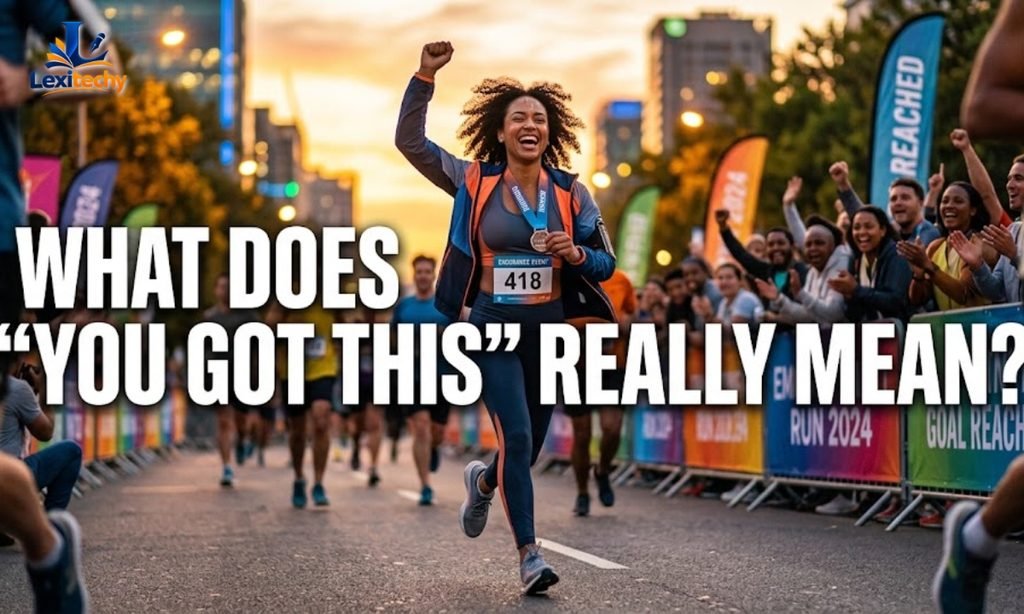
“You got this” is an informal way to tell someone they are capable of handling what is ahead. It carries three messages at once: I see your effort, I trust your ability, and I am on your side.
The full form is “you’ve got this,” but most people drop the contraction in speech and text. Both are fine in casual settings.
The phrase works because it is brief and warm. The problem is that it can sound automatic when you say it too often. Choosing a more specific phrase shows the person you were paying attention to their situation.
| Keep Reading These Articles |
| Chris’s or Chris? Learn the Correct Usage Fast |
| Pricey or Pricy? Discover the Correct Spelling |
| To or Too? Easy Rule to Get It Right Every Time |
25 Ways to Say “You Got This”
Gentle and Comforting Phrases
Use these when someone is nervous, tired, or doubting themselves. They lower pressure instead of adding it.
1. I believe in you
This is the simplest and most sincere option. It puts your trust directly in the person.
Example: “The interview feels huge right now, but I believe in you.”
2. You’re stronger than you think
It fits best when someone underestimates themselves.
Example: “You’ve handled worse than this, and you’re stronger than you think.”
3. Take your time, you’ll get there
This removes the fear of being slow. It is ideal for long projects or recovery.
Example: “No rush with the thesis. Take your time, you’ll get there.”
4. I’m rooting for you
It shows quiet, steady support without demanding a result.
Example: “Whatever the doctor says today, I’m rooting for you.”
5. One step at a time, you can do it
This breaks a big fear into something manageable.
Example: “Just write the first paragraph. One step at a time, you can do it.”
Confident and Empowering Phrases
These are for people who already have the skills and need a final push.
6. You’ve totally got this
The extra word adds energy and makes the message feel more personal.
Example: “Deep breath before you present. You’ve totally got this.”
7. You were made for this
It tells the person the moment fits their strengths.
Example: “Leading the new team? You were made for this.”
8. Nobody does it better than you
This is a strong compliment wrapped in encouragement.
Example: “It’s your recipe and your kitchen. Nobody does it better than you.”
9. You’re ready
It is short and calm. It works well when someone has already prepared.
Example: “You studied for months. You’re ready.”
10. Trust yourself
This shifts the focus from outside approval to inner confidence.
Example: “Your instincts are good. Trust yourself on this one.”
Casual and Slang Phrases
These suit friends, family, and group chats.
11. Go get ’em
A classic, upbeat send-off before a game, meeting, or event.
Example: “First day at the new job! Go get ’em.”
12. You’ve got it in the bag
It suggests success is almost certain.
Example: “With that practice score, the exam is in the bag.”
13. You’re going to nail it
“Nail it” means to do something perfectly, and it feels playful.
Example: “Your speech is great. You’re going to nail it.”
14. Go crush it
Modern, high energy, and popular in fitness and work culture.
Example: “Big pitch today? Go crush it.”
15. Let’s go, you’ve got the skills
It sounds like a coach cheering from the sideline.
Example: “Final round, let’s go. You’ve got the skills.”
Professional and Workplace Phrases

These keep encouragement respectful and clear for managers, teammates, and clients.
16. I have full confidence in you
Formal, warm, and trusted in leadership settings.
Example: “I have full confidence in you to lead the client call.”
17. You have my full support
It promises backup, not just belief.
Example: “Take the lead on the launch. You have my full support.”
18. You’re well prepared for this
It ties confidence to real preparation, which feels credible.
Example: “You know the data inside out. You’re well prepared for this.”
19. You’re more than capable
It recognizes skill without exaggeration.
Example: “The audit is complex, but you’re more than capable.”
20. I have no doubt you’ll deliver
This is direct and assured, ideal for deadlines.
Example: “I have no doubt you’ll deliver a strong report by Friday.”
Bold and Motivational Phrases
Use these before competitions, launches, or life changes.
21. Give it everything you’ve got
It encourages full effort, whatever the result.
Example: “It’s your last match of the season. Give it everything you’ve got.”
22. Show them what you’re made of
This works when someone needs to prove themselves.
Example: “They doubted you. Show them what you’re made of.”
23. The stage is yours
It is perfect for performers, speakers, and presenters.
Example: “The mic is ready and the crowd is waiting. The stage is yours.”
24. Make it happen
It is action focused and pushes someone from planning to doing.
Example: “You have the plan and the team. Make it happen.”
25. You’ve come too far to quit now
This one uses someone’s past progress as fuel.
Example: “Six months of training is behind you. You’ve come too far to quit now.”
Synonym Comparison Table
| Synonym | Meaning Nuance | Tone | Example Sentence |
| I believe in you | Personal trust in someone’s ability | Warm | “Whatever happens at tryouts, I believe in you.” |
| You’re ready | Preparation is complete | Calm | “The bags are packed and the plan is set, so you’re ready.” |
| Go get ’em | Send-off to take action | Casual, upbeat | “Class starts in five minutes. Go get ’em.” |
| Go crush it | Aim for outstanding results | Slang, energetic | “Sales call at ten. Go crush it.” |
| I’m rooting for you | Emotional support from the sidelines | Gentle | “Results come out today, and I’m rooting for you.” |
| You’re more than capable | Recognizes proven skill | Professional | “Managing this budget is easy for you. You’re more than capable.” |
| I have full confidence in you | Formal vote of trust | Formal | “The board has full confidence in you to steer this project.” |
| Trust yourself | Encourages inner belief | Reflective | “Skip the second guessing and trust yourself.” |
| The stage is yours | Invitation to take the spotlight | Bold | “Your name is next on the list. The stage is yours.” |
| You’ve come too far to quit | Motivation drawn from past progress | Serious, motivating | “Ninety pages are written, and you’ve come too far to quit.” |
Choosing the Right Phrase for the Right Setting
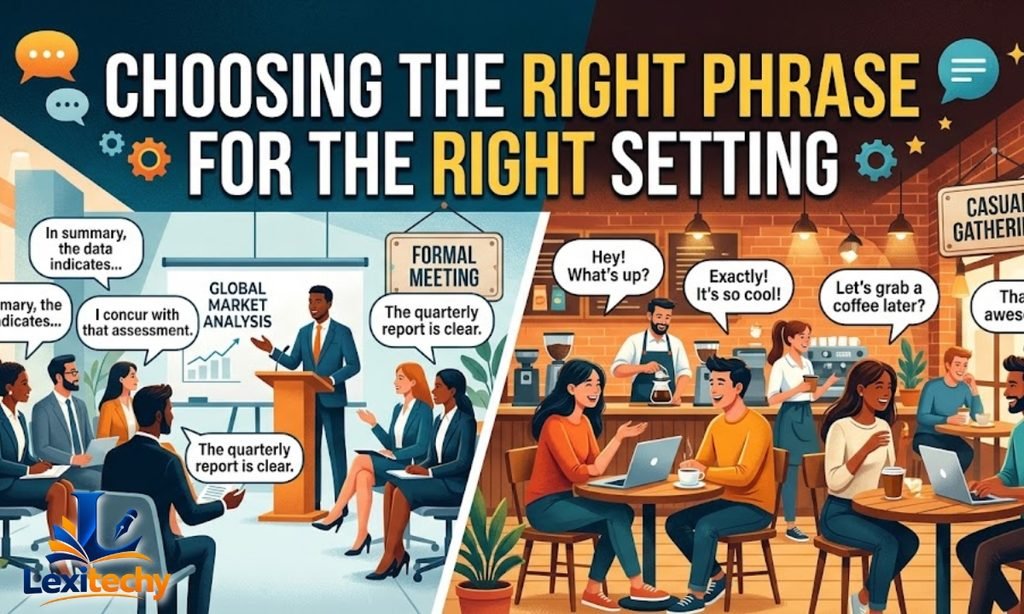
Tone matters as much as the words. Here is how to match your message to where it appears.
Email: Keep it short and warm. “I have full confidence in you” or “You’re well prepared for this” both read as supportive without being pushy.
Resume or performance review: You are describing someone, not cheering them on. Phrases like “more than capable” and “consistently delivers” fit better than slang.
Essay or speech: Use “Trust yourself” or “You’ve come too far to quit now” for a motivational tone that feels earned.
Social media: Short and energetic wins. “Go crush it,” “Let’s go,” and “You’ve totally got this” work well in captions and comments.
Storytelling: Let a character speak in their own voice. A coach might say “Show them what you’re made of,” while a grandmother might say “Take your time, you’ll get there.”
What’s Trending in 2026
Encouragement language keeps shifting with how we communicate.
- Voice notes and short videos: People now send encouragement as a quick voice message. Phrases like “You’re ready” and “I’m rooting for you” feel natural when spoken.
- Shorter messages: Texts and comments favor two or three words, such as “Go time,” “You’re ready,” and “Lock in.”
- Workplace tone: Remote and hybrid teams lean on clear, kind phrasing. “You have my full support” has become a common line in team chats.
- Specific over generic: Readers can tell when a message is a copy and paste. Mentioning one real detail, like “your slides are clear,” makes any phrase feel human.
- AI writing tools: Drafts from assistants often default to “You’ve got this!” A quick personal edit makes your message stand out.
Common Mistakes When Choosing a Synonym
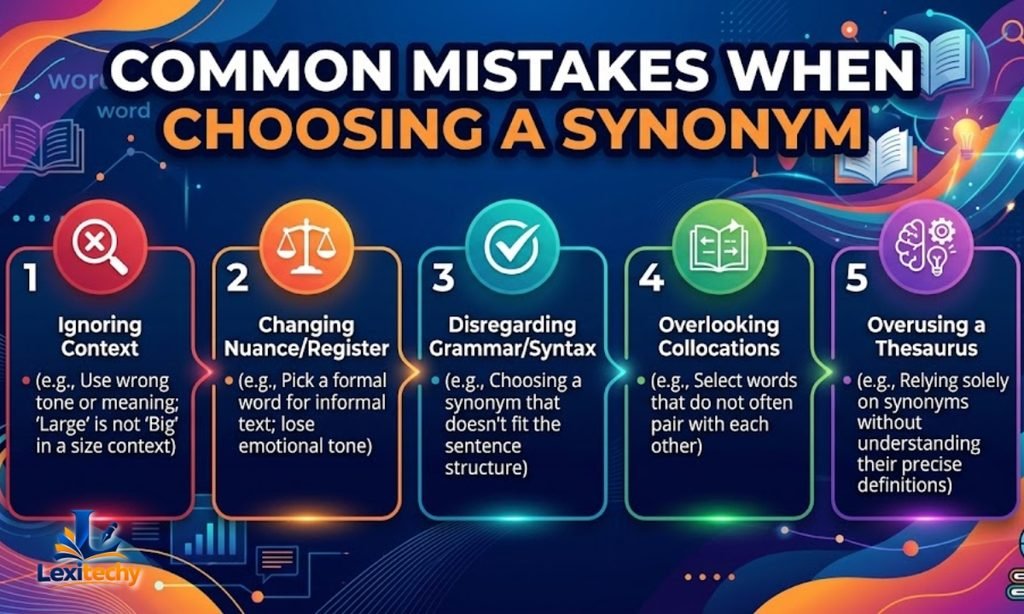
- Being too casual at work. “Go crush it” may not suit a first email to a senior client.
- Being too formal with friends. “I have full confidence in you” can sound stiff in a group chat.
- Adding pressure by accident. “Don’t mess this up” and “Everyone is counting on you” may sound like encouragement but feel heavy.
- Ignoring how the person feels. Someone who is anxious needs “One step at a time.” A confident athlete wants to “Show them what you’re made of.”
- Repeating the same phrase. Using one line every time makes it sound automatic.
When NOT to Replace “You Got This”
Sometimes the original phrase is the best one.
- In a fast moment: Before a race or a call, short and familiar words land best.
- With people who already say it: If your friend loves “you got this,” changing it may feel odd.
- When the alternative has a different meaning: “I’ll handle it” means you are taking over, while “you got this” means the person handles it. “Good luck” leaves the outcome to chance, which is not the same as trust.
- In serious grief or crisis: Motivational lines can feel dismissive. Simple presence and phrases like “I’m here” are better.
Antonyms of “You Got This”
These phrases express doubt or discouragement. They are useful to recognize, and best avoided when you want to support someone.
- You can’t handle this
- I’m not sure you’re ready
- This is too big for you
- Don’t get your hopes up
- You’re in over your head
- Better luck next time
- Give up now
Related Words, Phrases, and Idioms
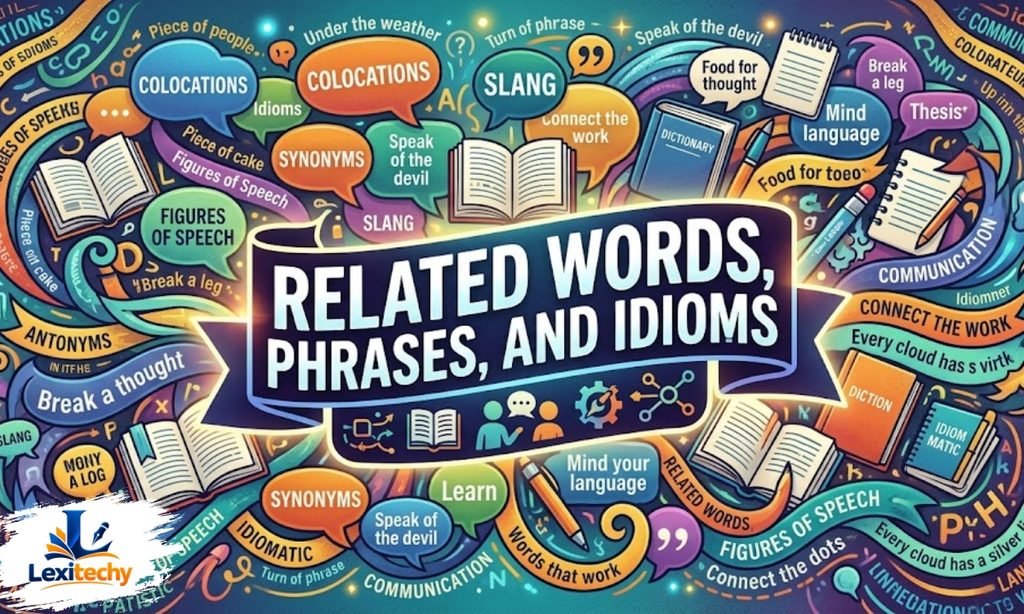
Related words: encourage, reassure, motivate, uplift, empower, cheer on, back up
Related phrases: you can do this, you’ve got what it takes, keep going, hang in there, stay strong, I’ve got your back
Common idioms:
- Break a leg: good luck, often used before a performance
- Knock it out of the park: do something extremely well
- Rise to the occasion: perform well when it matters most
- Keep your chin up: stay hopeful in a hard time
- Hit the ground running: start strong and fast
Frequently Asked Questions
What is a professional way to say “you got this”?
Try “I have full confidence in you,” “You’re well prepared for this,” or “You’re more than capable.” All three sound respectful and work in emails and team chats.
What can I say instead of “you got this” for a friend?
Use “Go get ’em,” “You’re going to nail it,” or “I’m rooting for you.” They feel relaxed and personal.
Is “you got this” grammatically correct?
Yes, in casual speech. The full form is “you’ve got this.” In formal writing, choose a phrase like “I am confident you will succeed.”
What is a more powerful way to say “you can do it”?
“You were made for this” and “Show them what you’re made of” carry more emotion and energy.
How do I encourage someone who feels anxious?
Choose gentle phrases like “One step at a time” or “Take your time, you’ll get there.” Avoid high pressure lines like “Crush it.”
What is a good short reply to “wish me luck”?
Say “You’ve totally got this” or “You’re ready.” Both are brief and warm.
Can I use these phrases in a text or on social media?
Yes. Casual options like “Let’s go,” “Go crush it,” and “You’ve got the skills” fit texts and captions well.
Conclusion
“You got this” works, but the best encouragement fits the person and the moment. Use gentle phrases for nervous people, bold ones for those who are ready, and professional ones at work.
Add one real detail whenever you can. A phrase like “I believe in you, your preparation shows” always sounds more genuine than the phrase alone. Pick one or two from this list and try them the next time someone needs a lift.

Emily Carter is an English content writer and SEO specialist with 5 years of experience in creating clear, helpful, and search-friendly content. She writes about grammar, word meanings, synonyms, vocabulary, and everyday English usage. Her goal is to make confusing words and language rules simple, practical, and easy to understand.

Pingback: 28 Best Ways to Say "Congratulations to Both of You"